
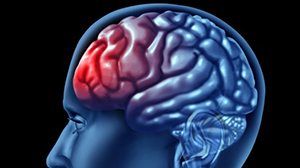
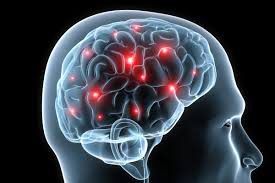
A traumatic brain injury or TBI can most easily be defined as a force to the head or brain resulting in a disruption in the proper functioning of the brain. A direct blow to the head is not required to injure the brain. A traumatic brain injury can be causes by a bump, blow, or a jolt to the head. The trauma or injury can dramatically disrupt the brain’s ability to function. Micro injuries to the brain cells can be permanent and can result in permanent deficits. The severity of a brain injury can range from mild to severe.
Traumatic Brain Injury Lawyer in Wisconsin

Wisconsin Traumatic Brain Injury Attorney
While we have offices in Milwaukee and Madison, we handle traumatic brain injury cases that happen throughout Wisconsin.
A traumatic brain injury attorney is a specialized attorney who has extensive experience representing brain injury survivors. Brain injuries can cause a permanent loss of a persons ability to function. Quite often brain injury victims are unable to perform normal functions within their jobs. Their family typically describes them as being different. Many brain injury victims are unable to take care of themselves, much less their family. They experience memory and attention problems., slowness in processing information, speech or language problems, and many other symptoms
that can be tied to what you’d consider to be brain injury or mental injury. An experienced brain injury attorney can assist the victim with adequately documenting their symptoms and later proving these symptoms to a jury. One of the most important ways to assist your physician in diagnosing your Traumatic Brain Injury is to explain specific problems that you are experiencing. Rozek Law Offices has created this downloadable Traumatic Brain Injury Symptom Checklist
for Wisconsin TBI victims.
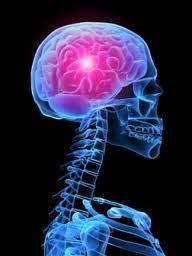
A brain injury can have a devastating impact on the victim, their family, and their loved ones. That’s why, when it comes to a brain injury case, you need an experienced brain injury attorney such as Randy Rozek who has experience in getting successful outcomes in brain injury cases. Randy Rozek also has experience in demonstrating the vast amount of loss and damage that brain injury victims and their families incur as a result of the injury.
What’s are the biggest causes of brain injury in the U.S.?
The leading causes of Traumatic Brain Injury in the United States are as follows:
- 28% Falls
- 20% Motor Vehicle Collisions
- 19% Struck by/against
- 11% Assaults
There are three degrees of Traumatic Brain Injury; Severe, Moderate and Mild. This classification system was originally based upon the extent and duration of the loss of consciousness of the individual immediately following the injury. Recently however the medical community has discovered that the duration of post-traumatic amnesia is actually a better predictor of outcome than actual loss of consciousness. Post-traumatic amnesia (PTA), also referred to medically as anterograde amnesia, is defined as the failure to form new memories. All too often, medical professionals fail to inquire into post-traumatic amnesia. Most physicians that do not truly specialize in treating individuals with traumatic brain injury are not aware of the significance of assessing the existence and duration of post-traumatic amnesia.
Severe Traumatic Brain Injury
- Glascow Coma Scale of 1 to 8
- Post-Traumatic Amnesia of more than 1 day
- Loss of Consciousness of more than 24 hours
Moderate Traumatic Brain Injury
- Glascow Coma Scale of 9 to 12
- Post-Traumatic Amnesia of 30 minutes to 24 hours
- Loss of Consciousness of 1 to 24 hours
Mild Traumatic Brain Injury
- Glascow Coma Scale of 13 to 15
- Brain Injury Attorney Milwaukee
- Post-Traumatic Amnesia of less than 1 hour
- Loss of Consciousness of less than 30 minutes
It is important to keep in mind that the degree of traumatic brain injury
does not necessarily indicate the extent of ongoing disability. There have been individuals that have nearly completely recovered from severe traumatic brain injury, while other individuals have been completely and permanently disabled as a result of a mild traumatic brain injury.
The Centers for Disease Control and Prevention (CDC)
estimated that over 5.3 million Americans have a long-term or lifelong need for assistance in performing their activities of daily living as a direct result of a traumatic brain injury. Also, about 40% of those hospitalized with a traumatic brain injury had one or more unmet needs for services at least one year after their traumatic brain injury or brain damage.. The most frequent needs that were not met include the following:
- Improving memory and problem solving
- Managing stress and emotional upsets
- Controlling one’s temper
- Improving one’s job skills
Regardless of the degree of traumatic injury, it’s critically important to have an experienced brain injury attorney on your side to assist you and your loved ones through the legal procedures associated with obtaining damages for the brain injury victim and their family.
While Moderate Traumatic Brain Injuries
and Severe Traumatic Brain Injuries
are usually easily identified and diagnosed, Mild Traumatic Brain Injuries
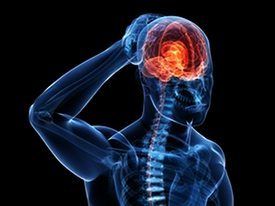
are often not diagnosed.The common signs and symptoms of Traumatic Brain Injury
can be classified into four categories as follows:
Signs and Symptoms of Traumatic Brain Injury
Physical
- Headache
- Nausea
- Vomitting
- Balance Problems
- Dizziness
- Visual Problems
- Fatigue
- Sensitivity to Light
- Sensitivity to Noise
- Numbness/Tingling
- Dazed or Stunned
- Seizures
Cognitive
- Feeling Mentally “Foggy”
- Feeling Slowed Down
- Difficulty Concentrating
- Difficulty Remembering
- Forgetful of Recent Information or Conversations
- Confused About Recent Events
- Answering Questions Slowly
- Repeating Questions
- Difficulty Communicating
- Memory Deficits
- Word-Finding Problems
- Difficulty Multi-Tasking
- Easily Distracted
- Overwhelmed by Crowds
Emotional
- Irritability
- Sadness
- More Emotional
- Nervousness
- Mood Swings
- Anxiety
- Depression
- Temper Outbursts
- Frustration
- Emotional Lability – emotions out of proportion to the situation
Sleep
- Sleeping Less Than Usual
- Sleeping More Than Usual
- Trouble Falling Asleep
- Excessive Daytime Sleepiness
- Narcolepsy – Falling Asleep Suddenly During Daytime
- Restless Leg Syndrome
- Insomnia
- Inconsistent Sleep Patterns
When do I call a brain injury attorney?
If you or a loved one has been a victim of someone’s negligence and is experiencing any of the above symptoms as the result of a brain injury, we strongly recommend you contact Randy Rozek today to learn about your rights, and then to get the professional legal expertise you need.